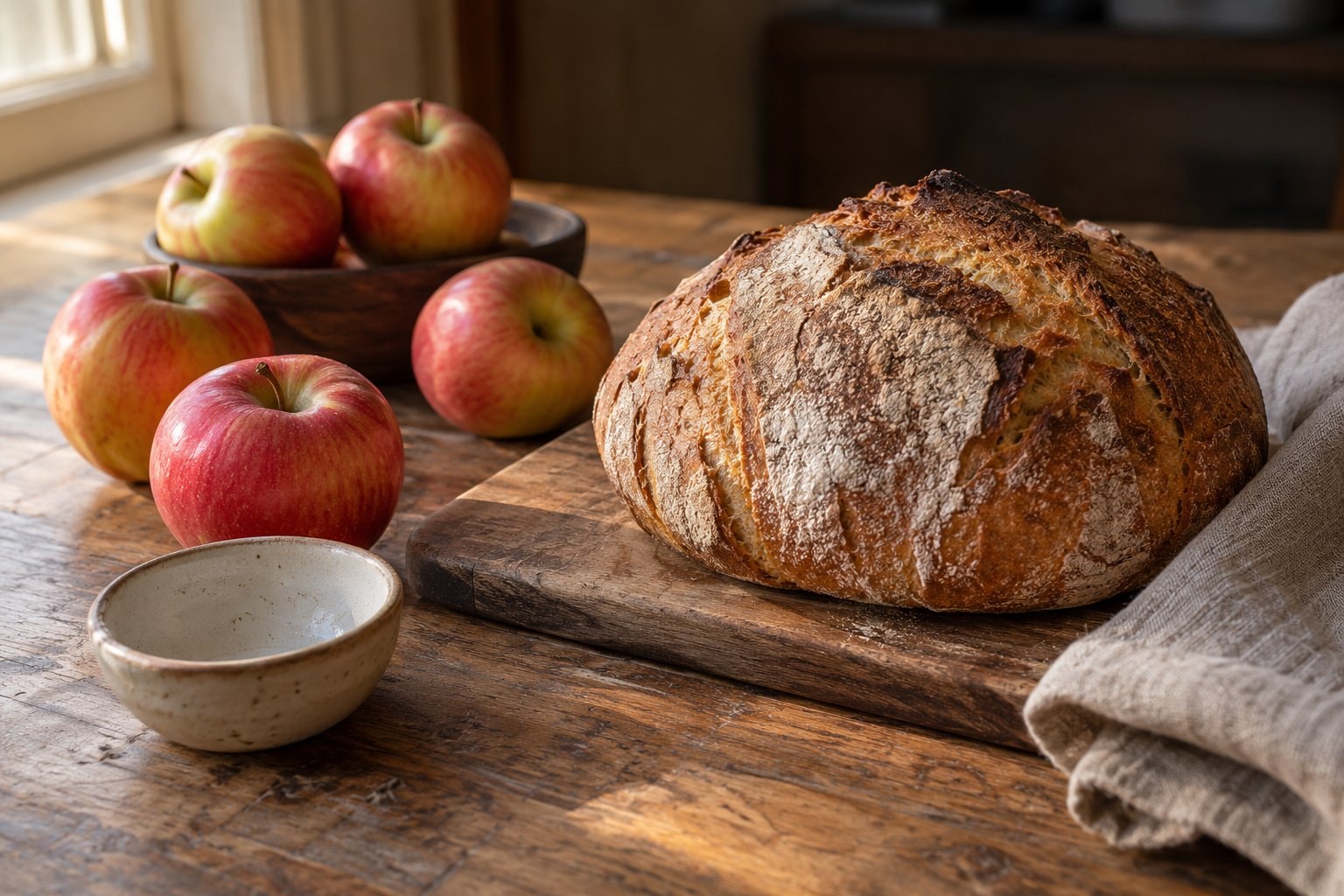
A meal begins before a pan reaches the stove. Somewhere, a crop is grown, a fish is caught, an animal is raised, or milk is collected. Ingredients pass through hands, places and decisions before they reach a kitchen. Cooking changes their shape and texture; serving gives them another meaning. Looking closely at that journey makes an ordinary dinner a way into questions about work, landscape, memory and belonging.
Gastroanthropology follows those questions into markets, gardens, bakeries and home kitchens. The journal pairs accounts of food culture with recipes that turn reading into practical work. A loaf can invite a discussion about fermentation. A bowl of custard can lead to the behavior of eggs. A market basket can open a conversation about seasons, transport and the people whose labor makes food available.
More than a description of dinner
Wikipedia's account of food anthropology brings historical and ethnographic approaches into contact with questions about food production and consumption. This is a useful starting point: a dish belongs to a setting, rather than floating free of it. Its ingredients, the work involved and the circumstances of eating deserve attention alongside its taste.
Food culture need not mean a grand occasion. It can be the bread chosen for lunch, the fruit put into a preserve, or the dish made when guests arrive. Asking why a particular preparation matters is often more revealing than deciding whether it is fancy. Looking at everyday food also leaves room for disagreement. A familiar dish can carry different meanings for different households.
Wikipedia's description of food studies places food among history, science, art and society. The journal takes that broad invitation seriously. A kitchen question and a question about land can sit beside each other. Neither needs to crowd the other out. The aim is to make those connections legible without turning every mouthful into a lecture.
Place is a useful question
Start with a place, then look more closely. Which ingredients appear in its breads, soups and sweets? Which preparations rely on keeping food, and which make sense when an ingredient is abundant? How is the meal served? These are prompts for reading, not a test with a single right answer. Regional essays offer a point of entry while keeping room for variation within a country or a city.
That same attention can be brought to a home kitchen. Compare a soft bun with a dark loaf, a fruit pie with a steamed fruit dessert, or a fresh cheese with a matured one. The journal explains the terms before asking the reader to use them. Recipes include practical signs to watch for, so the finished food is understood through the process that made it.
A table includes relationships
The Wikipedia account of the sociology of food introduces the study of food in relation to society. A meal is therefore worth examining as an arrangement: who prepares it, how it is offered and what is expected of those around the table. Those questions allow a discussion of identity without pretending that every diner has the same experience.
A PubMed-listed essay about commensality discusses eating together as part of a cultural understanding of food. Commensality is a useful word for a familiar activity. It directs attention toward company and shared practice, rather than a claim about what a particular food does for the body.
Begin wherever curiosity is strongest. The journal index describes the essays and their recipes. The account of Gastroanthropology's scope explains the approach to sources and kitchen notes. From there, follow a dish, an ingredient or a question into the next page. Careful reading and careful cooking both reward attention to what is actually in front of the reader.
Places
Scandinavia: open sandwiches, brown cheese, rye and cardamom
Dark rye, a griddle flatbread and soft cardamom buns open a window onto Scandinavian cooking.
New Nordic cuisine: foraging, seasons and a Copenhagen kitchen
Local ingredients, old methods and new uses meet in a Nordic food movement.
Scotland: cranachan, shortbread and the Burns supper
Shortbread, cranachan and the Burns supper connect ingredients with forms of gathering.
Ireland: soda bread, dairy country and the Dingle Peninsula
A plain buttermilk loaf beside the land, coast and dairy foods of Ireland.
London: markets, puddings and a city that learned to eat
A city market and a bowl of berries and cream offer different ways into English cooking.
Spain: Barcelona's Catalan table, San Sebastián's pintxos and the food of Andalusia
Regional cooking comes into focus through bread and tomatoes, small bites and the Andalusian table.
Siena and Tuscany: panforte, cantucci and the Tuscan table
Bread soup, chewy panforte and the crisp almond biscuit of Tuscany.
Vienna: apple strudel, Sachertorte and Wiener schnitzel
Stretched pastry, chocolate layers and a crisp cutlet reveal a Viennese table.
German Christmas markets: Lebkuchen, Flammkuchen and the winter stalls
Thin savory dough and soft honey cookies share a winter market setting.
A travel notebook: eating along coasts, in old cities and in the mountains
A regional food journey guided by dishes, methods and questions at the table.
Markets & land
Food markets: Paris street markets, the market in Nice and the farmers' market revival
From a producer's table to a shared meal, with socca in a hot skillet.
Farming and food policy: where food comes from, and who decides
Food policy, farming methods and forms of selling answer different questions about an ingredient.
Biodynamic farming and the kitchen garden
Precise farming terms meet the practical questions of ripe garden vegetables.
Which fish? Overfishing, the cod collapse and choosing seafood
Species, fishing grounds and methods matter before the soup pot is filled.
Bottarga: the cured roe of the Mediterranean
Cured roe tells a coastal food story and finishes a simple plate of pasta.
Cheese: milk, rennet, time and place
Cheese begins with milk, then branches into different textures, methods and regional names.
San Francisco: an ice-cream sandwich from Playland, artichokes and California cooking
A seaside sandwich and garden produce open different windows on California food.
Baking
Bread: the baguette, sourdough, soda bread and the quick breads
A baguette, a sourdough loaf and a quick bread reveal different ways to raise dough.
Apples: orchards, old varieties and cider country
An orchard fruit takes different forms in a tart, a layered crumb dessert and a regional drink.
Fruit pies, grunts and crisps: sour cherries to key lime
Choose a crust, a crumb or a soft dumpling to hold the fruit.
Holiday cookies around the world
A festive plate of crisp spice, soft cake and powdery nut cookies.
Brown butter, caramel and chocolate: browning in the baker's kitchen
Nutty butter and amber sugar lead to different kinds of browning.
Preserves: jam, marmalade and how a set happens
The fruit, the pectin and the difference between a spread and a shelf-stable jar.
The kitchen
The egg in the kitchen: freshness, safety and the batters it lifts
Freshness, safe handling and the distinct jobs of yolks, whites and whole eggs.
Custards: flan, budino, clafoutis and the tonka question
Eggs, starch and gelatin explain the different ways a dessert can set.
Ice cream at home: custard bases, brown-bread ice cream and frozen fruit
A cooked custard, a cold churn and crumbs toasted separately.
Breakfast: granola, muesli, pancakes and the pumpkin season
Baked oats, soaked oats and the flavors of pumpkin season.
Bones, stock and gelatin: collagen from the butcher's block to the body
A pot of stock opens a careful conversation about connective tissue and research.
Journal
The journal: every essay and recipe, by subject
Browse every essay and recipe by subject, with a guide to the measures and methods.
About Gastroanthropology
A journal about the connections between food, place and the work of cooking.